By Eugene J. Levin, Times of Israel blog, September 14, 2026. Click for full report.
When the synagogues were full, Germans and Lithuanians entered Vilna’s ghetto. The state chronology prints October 1941 as “several actions.”
Yom Kippur 5787 begins at sundown on September 20, 2026. Eighty-five years earlier, Yom Kippur 5702 began at sundown on September 30, 1941, and continued through October 1. In Vilna, October 1 became an Aktion.
Yad Vashem’s Vilna history records that in the smaller ghetto, when the synagogues were packed with worshippers, Germans and Lithuanians entered and began arrests. About 1,700 Jews were seized. In the larger ghetto, SS officer Horst Schweinberger demanded 1,000 Jews from the Judenrat by 7:30 that evening; roughly 2,200 people were taken during the operation. Up to 800 were freed through intervention by German employers or through bribes. Others were held at Lukiškės Prison and then shot at Ponary.
The victims dated the day
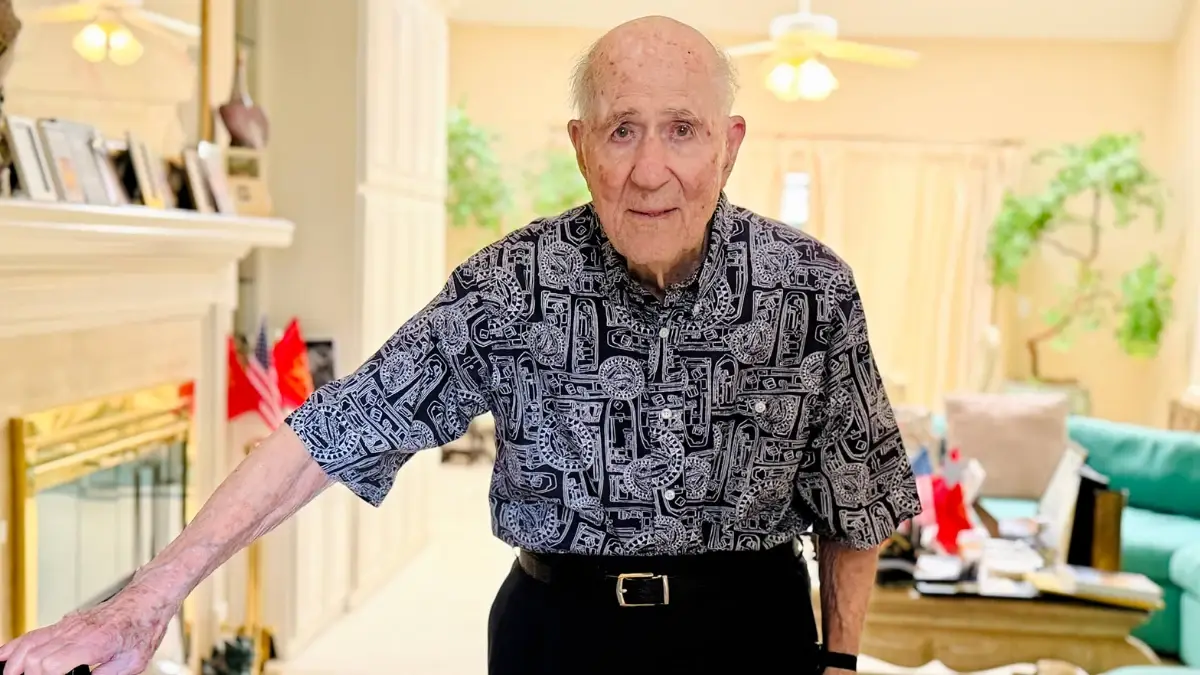
Norma Dimitry was eighteen. She remembered the date, the holiday and the actors: Germans and Lithuanians. “They did it then because they knew it was our highest holiday.” Her father hid her under a table in a factory. Her memoir also describes Lithuanian collaborators seizing Jews in Vilna before the ghetto was established and taking people away under the pretext of work.
Herman Kruk wrote from inside the ghetto. In The Last Days of the Jerusalem of Lithuania, his September 30 entry describes the prayer houses as “full to bursting” on p. 122. On October 1, pp. 122–123, he records the Gestapo in the ghetto in the morning, Jews in prayer shawls running through the streets and the prayer houses emptying. At 8 p.m. he wrote that “a group of Germans and Lithuanian militia came into the ghetto.” He then recorded: “the Jewish militia ordered, and the Lithuanian militia chased.” The crowd was driven toward Lukiškės Prison.
The day the ledger dropped
Karl Jäger’s killing ledger records 1,446 Jews shot at Trakai on September 30, the eve of Yom Kippur. Its next Vilna line is October 4: 432 Jewish men, 1,115 Jewish women and 436 Jewish children, 1,983 people in all. Jäger was recording killings, not the October 1 roundup. No line in the perpetrator ledger carries the date October 1.
The victims’ calendar carries the day the ledger dropped. A killing ledger can preserve when bodies were shot while losing the day people were seized from worship, hidden under tables, chased through streets in prayer shawls and driven toward prison. The Yom Kippur Aktion survives because Jewish witnesses wrote the date down.
The Centre’s missing October 1
The Genocide and Resistance Research Centre of Lithuania’s Holocaust chronology gives September 6 for the creation of the Vilnius ghetto. It gives October 2 for the transfer of the Šiauliai region to Einsatzkommando 3/A. It gives October 29 for the largest Kaunas killing action at the Ninth Fort. For Vilnius in October it says that, after “several actions,” the Small Ghetto was liquidated and all its inhabitants murdered at Paneriai.
October 1 is absent. Yom Kippur is absent. The synagogues are absent.
The Centre’s own research on the Vilnius police battalions records their part in guarding the ghetto, escorting Jews from Lukiškės Prison toward Paneriai and guarding mass executions. The Centre has the local agency in its own research and compresses the Yom Kippur Aktion out of its chronology.
The same gap between what Lithuanian institutions know and what they say publicly appears in my September 8 article: Lithuania’s institutions published 84 biographies from the Vilnius Special Squad while the Foreign Ministry still retreated to “the Nazis and their collaborators.”
On September 20, Jews will again enter synagogues for Yom Kippur. In Vilna eighty-five years ago, being in synagogue made Jews easier to find.
Lithuania’s Genocide Centre need not discover a new archive to repair its chronology. It needs to print the line already carried by the victims’ testimony and by the history it publishes elsewhere: October 1, 1941. Yom Kippur. Germans and Lithuanian participants. The Centre has printed everything but that.
About the Author
Eugene J. Levin is the founder and president of Dim Bom Productions, LLC, a film production company dedicated to powerful storytelling and historical truth. Born in Riga, Latvia, and a proud Zionist, Eugene immigrated to the USA in 1989, bringing with him a deep appreciation for Jewish history and identity. He is the producer and director of the award-winning Holocaust documentary Baltic Truth, which uncovers hidden narratives of the Holocaust in Eastern Europe and explores their ongoing impact. With a passion for preserving history and combating antisemitism, Eugene continues to create impactful documentaries that inspire dialogue and understanding