About Us
Preserving History to Learn From the Past
HAMEC brings survivor testimony and rigorous Holocaust education to schools and communities—equipping students to recognize prejudice, racism, and intolerance when they see it.
HAMEC uses the lessons of the Holocaust to educate students and adults locally and globally, helping them understand the consequences of racism, intolerance, and ethnic cleansing. By studying this watershed event, visitors explore moral choices and reflect on how its lessons apply today.
Our Pillars
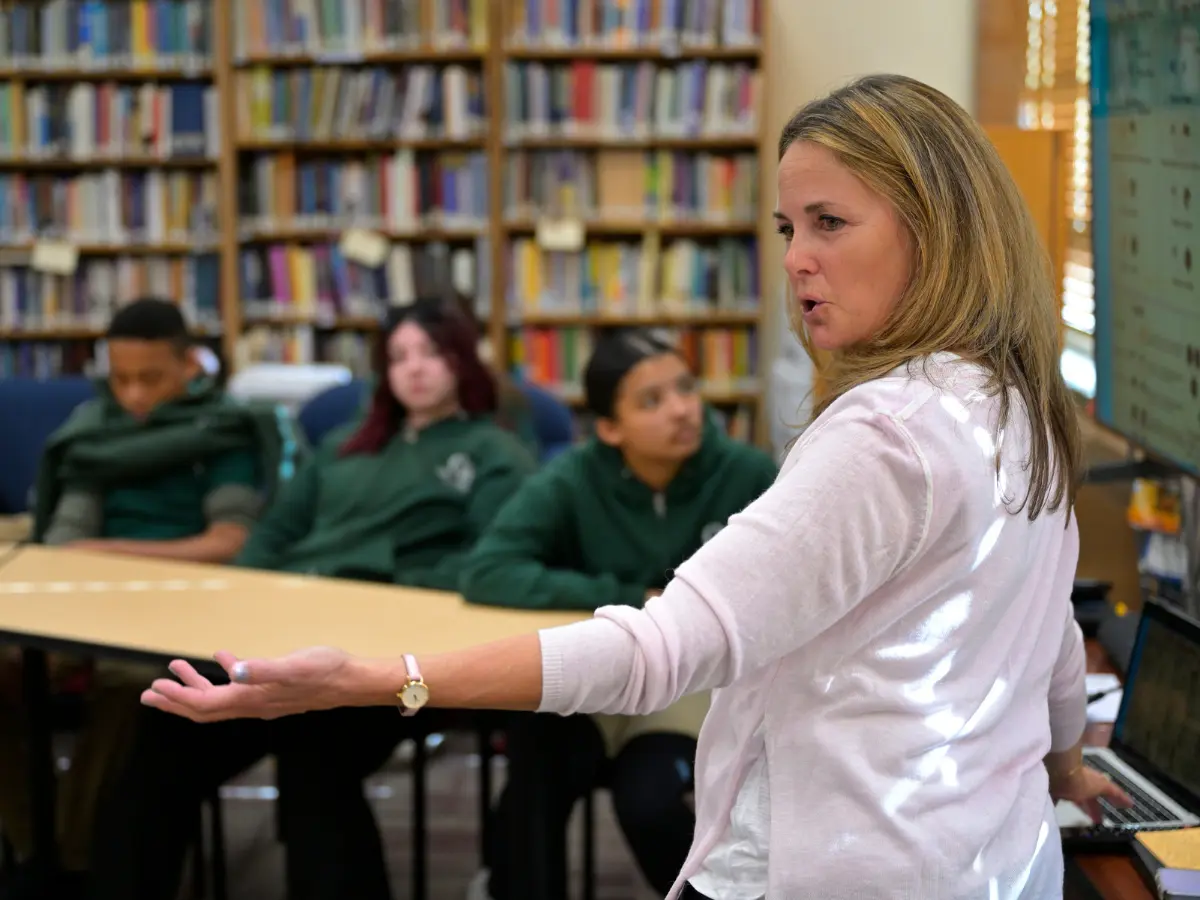
Education in Schools
Age-appropriate programs aligned to standards and built for critical thinking.
Survivor & Descendant Testimony
First-person stories that make history personal and challenge apathy and denial.
Confronting Hate
Evidence-based learning that connects past to present and strengthens democratic values.
Impact Snapshot
- 350,000+ students reached through testimony and programs (lifetime).
- 2024–2025 school year alone, we conducted 217 programs that reached more than 22,000 attendees.
- Teacher training delivered across the region.
- In-person programs in PA & NJ; virtual programs worldwide.
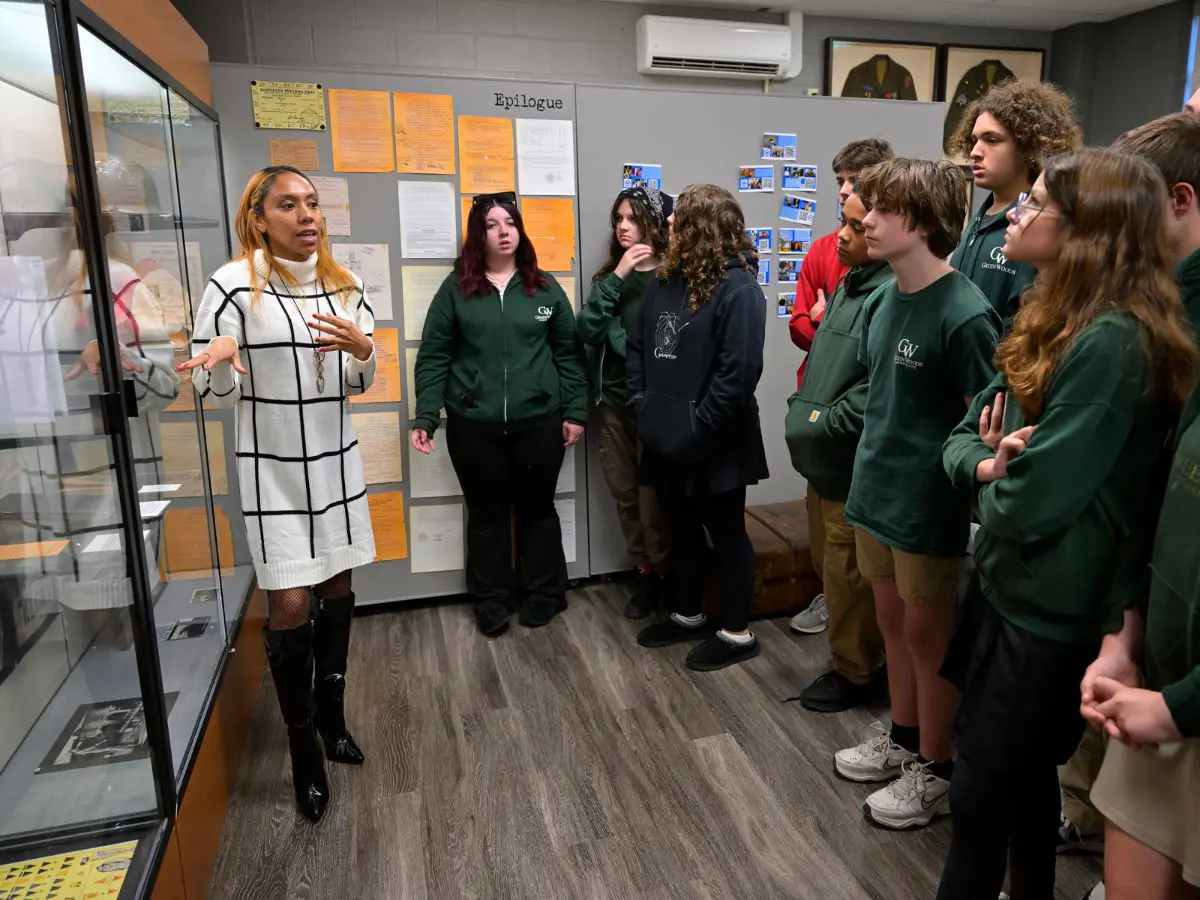
We deliver school programs and assemblies, live/virtual survivor testimony, teacher training with curriculum support, and high-quality virtual programs and materials, bringing accurate, engaging Holocaust education to classrooms anywhere.
Why It Matters
Students must understand that the Holocaust was not an accident. It was the result of deliberate choices by individuals using the full machinery of a fascist state to carry out the mass murder of 6,000,000 Jews.
Millions of others were also targeted, including political dissidents, intellectuals, LGBTQIA+ individuals, labor leaders, people with disabilities, Roma, and civilians in every country occupied by Nazi Germany.
Prejudice, bigotry, and racism are social poisons that undermine democracy. Silence, apathy, and indifference are the enemies of a pluralistic society.
Our Story
Founded by Holocaust survivor Yaakov (Yakov) Riz, who lost 83 family members in the concentration camps, HAMEC began in his home and has grown over 60 years into a vital institution memorializing the millions who perished.
Today, the museum is proudly located at Reform Congregation Keneseth Israel in Elkins Park, continuing Riz’s mission to educate and combat intolerance.
Outreach
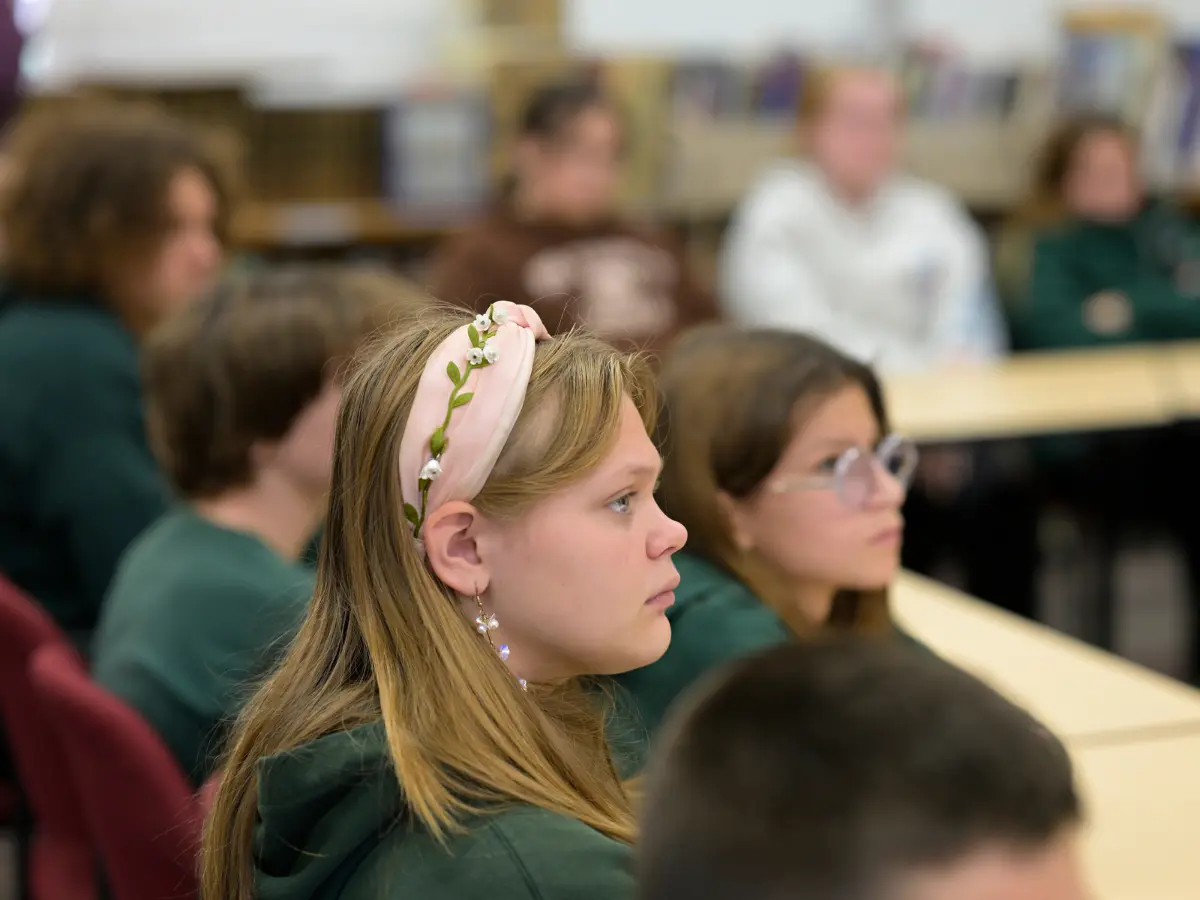
HAMEC reaches hundreds of thousands of students and adults through school programs, community events, and teacher training. Our educational efforts emphasize that prejudice, bigotry, and indifference threaten democracy.
Leadership & Governance
HAMEC is led by a small professional team and a volunteer board that safeguards our mission, educational integrity, and fiscal stewardship.
- Uphold historical accuracy and survivor-centered storytelling
- Prioritize student impact and teacher support
- Steward donations responsibly with clear budgets and reporting
- Maintain transparency and ethical governance
- Build partnerships with schools, districts, and community organizations

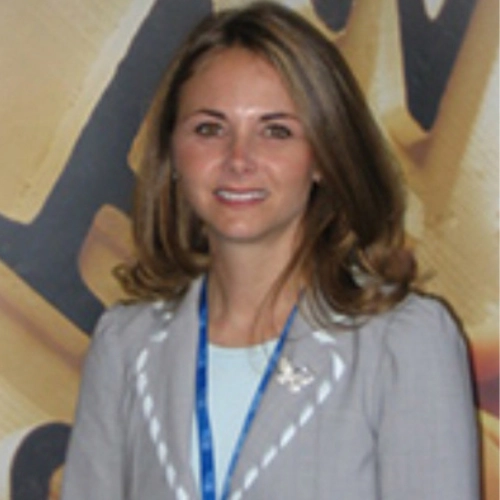
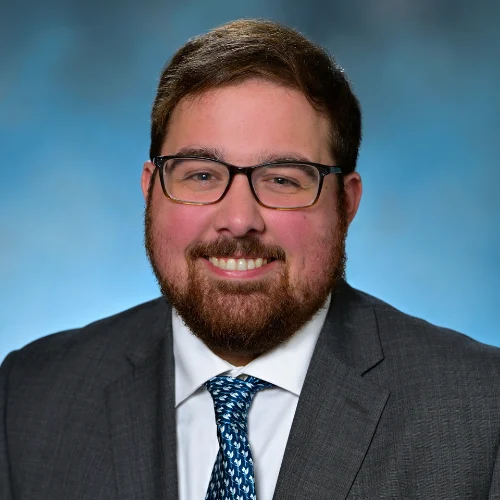

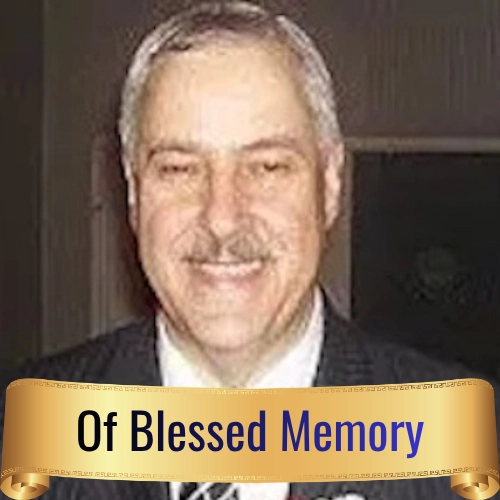
Our Board Members
Chuck Feldman, MA
President
Don Wittenberg, MEd
Vice President & Curator
Abby Gilbert, MAJCS
Vice President Institutional Advancement
Iona Riz, Esq.
Treasurer
Aaron Finestone, Esq
Secretary
Paula Weiss, Esq
Parliamentarian
Additional Members
- Connie Berman
- Ronnie Breslow
- Jacqueline Cherepinsky-Schmidt
- Dr. Adam Denish
- Rhonda Fink-Whitman
- Shari Glauser
- David Hardy
- Jody Kessel
- Marc Lieberson
- Alberta O’Brien
- Debbie Rosenberg
- Jonathan Schmalzbach
- Daniel Schwarz, Ph.D.
- Lori Shaffron
- Steven Shotz
- Dina Lichtman Smith, Ph.D.
- Jack Weiss